Discover
Selçuk Route

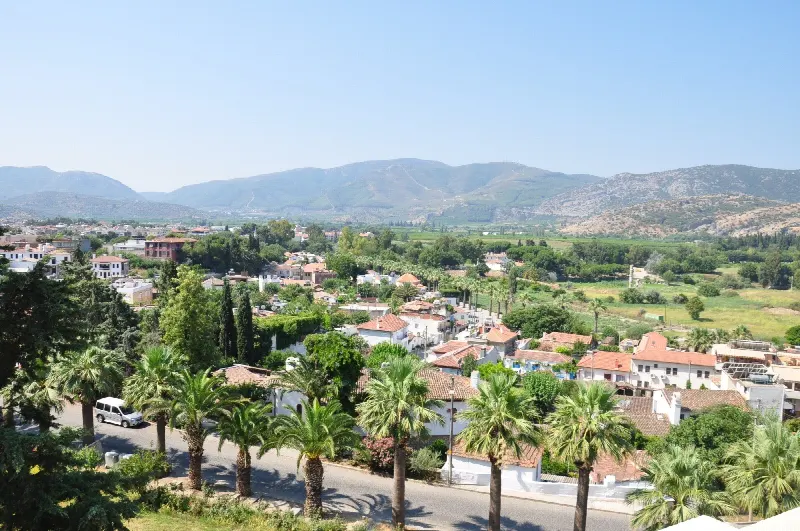
Selçuk, İzmir's southernmost district on the Aegean coast, lies 75 km from İzmir city centre. The Ephesus World Heritage Site, the world's largest open-air museum and on the UNESCO World Heritage List since 2015, consists of four components: Çukuriçi Höyük, Ayasuluk Hill (Selçuk Castle, the Basilica of St. John, İsa Bey Bath, İsa Bey Mosque and the Artemision), the Ancient City of Ephesus and the House of the Virgin Mary.
Selçuk is home to the Ancient City of Ephesus, the cultural capital of antiquity; the Temple of Artemis, one of the Seven Wonders of the World; the House of the Virgin Mary; the tomb and church of St. John, author of the Gospel; and the world-famous village of Şirince. Archaeological research in recent years indicates that the first settlements in Selçuk date back 8,000 years.
1. House of the Virgin Mary
The House of the Virgin Mary stands on Mount Bülbül (Bülbüldağı), 9 km from Selçuk. It is believed that St. John brought the Virgin Mary to Ephesus four or six years after the death of Jesus. The cross-shaped, domed building was later restored. The house is also considered sacred by Muslims, and since Pope Paul VI's visit in 1967, a Mass has been held here every year on 15 August.
2. Ancient City of Ephesus
Ephesus lies within the boundaries of İzmir's Selçuk district. In the Classical Greek period it was one of the twelve cities of Ionia. Its foundation dates back to the Neolithic Age, around 6000 BC. Ephesus was inscribed as a UNESCO World Heritage Site in 2015. The Terrace Houses are located in the centre of Ephesus and are reached via narrow, stepped streets. Their decorations show that the people who lived here were no ordinary citizens.
3. Cave of the Seven Sleepers
The Seven Sleepers is a story known in Anatolia for centuries and also told in religious texts. Refusing to offer the sacrifice required at the Temple of the Emperor in the time of Emperor Decius, seven young Christians fell into a deep sleep lasting 200 years in a cave on the slopes of Mount Panayır. When they woke, in the reign of Theodosius II, they learned that Christianity had become the official religion of the empire. Because of this miracle, after their deaths the seven young men were buried in the same cave.
4. Ephesus Museum
The museum is located in the centre of Selçuk and is open all year round. Most of its collection consists of artefacts brought from the excavations of the Ancient City of Ephesus, the Church of St. John, the Belevi Mausoleum and other archaeological sites nearby. The two large statues of Artemis, the head of Eros, the statuette of Eros with a dolphin and the head of Socrates are among the museum's world-famous pieces. With its artefacts of great importance to the archaeology of Ephesus and Anatolia, it is a rich local archaeological museum.
5. Temple of Artemis
The Temple of Artemis at Ephesus was built in the mid-6th century BC with the help of King Croesus and measured 115 m long and 55 m wide. The temple was counted among the Seven Wonders of the Ancient World. Dedicated to the goddess Artemis, it was built entirely of white marble. The Temple of Artemis is also known as the Temple of Diana.
6. İsa Bey Mosque
The İsa Bey Mosque stands on the southwestern side of the hill, between the Temple of Artemis and the Church of St. John. It was commissioned by İsa Bey of the Aydınoğulları dynasty and completed in 1375. The mosque's architect was Ali Bin Müşeymeş ed-Dımışk. Architectural pieces brought from Ephesus and the Temple of Artemis, especially columns, were used in the mosque. Of the two minarets that rose above the eastern and western gates, the eastern one has collapsed completely, leaving a single minaret.
7. Selçuk (Ayasuluk) Castle
The inner citadel, on the highest part of the hill north of the Church of St. John, stands, according to recent research, on the site of the first settlement of Ephesus. The walls visible today date from the Byzantine, Aydınoğulları and Ottoman periods. Inside the castle are stone-paved streets, cisterns of various sizes, a mosque and, on the highest point, the remains of a church. The Church of St. John, which houses the tomb of St. John, author of the Gospel, was built by Emperor Justinian and his wife Theodora. Various relief friezes were found above the Gate of Persecution, the entrance to the Byzantine walls. The gate takes its name from these panels, which show pursuit scenes from the life of Achilles.
8. Şirince Village
Located 8 km east of Selçuk, Şirince was home to Orthodox Greeks until 1922 and is a population-exchange village. Its traditional civil architecture has been preserved to this day. Because of the sloping terrain, the houses are lined up parallel to the slope, creating an orderly appearance. Besides the houses, the village's coffeehouses and fountains are also worth noticing. The 19th-century churches of Aya Yani and Aya Dimitri are just two of the village's historic buildings.
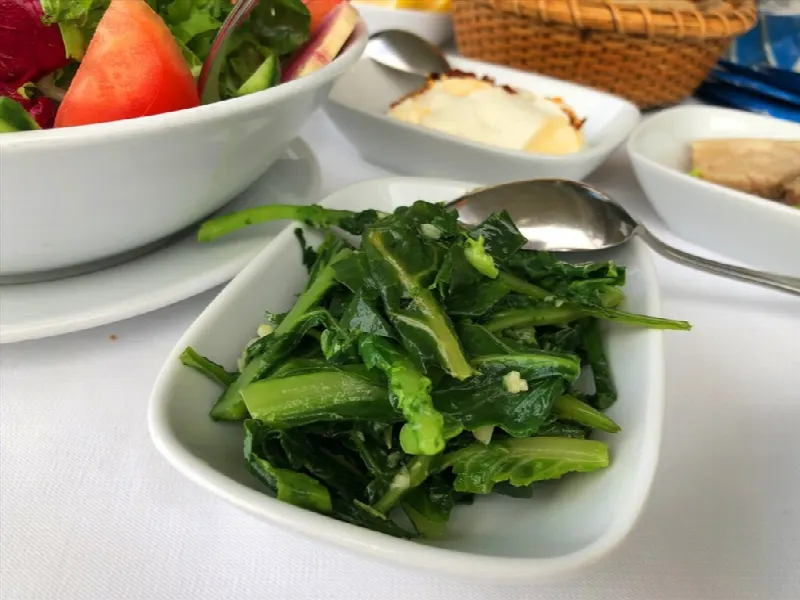
In Selçuk cuisine, where olive-oil dishes take centre stage, sautéed wild greens are cooked especially often. Seafood dishes to try include fried mussels, steamed sardines and fish cooked in milk. Popular local dishes include Priştine Kebabı, Kirde Kebabı and Şevket-i Bostan. Selçuk is also famous for its Çöp Şiş (small skewered meat). When you visit Şirince, be sure to try the delicious local and fruit wines; cherry and pomegranate wines stand out among Şirince's famous wines. Another drink unique to Şirince is elderflower sherbet (Mürver Çiçeği Şerbeti). Belevi peaches, black watermelon (Kara Karpuz) and Hicaz pomegranates are among Selçuk's famous fruits. In season, you can also find Manguta mushrooms, a variety unique to the area, at local markets.
Selçuk Route
- House of the Virgin Mary
- Ancient City of Ephesus
- Cave of the Seven Sleepers
- Ephesus Museum
- Temple of Artemis
- İsa Bey Mosque
- Selçuk (Ayasuluk) Castle – Church of St. John
- Şirince Village