
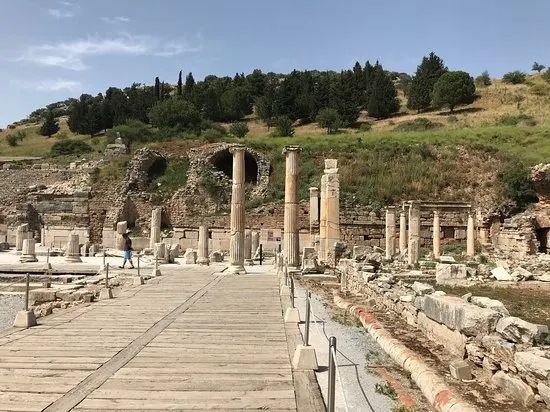
Prytaneion (Town Hall)
First built under Lysimachus in the 3rd century BC, the Prytaneion was the town hall of Ephesus, where famous statues of Artemis were found.
Ancient City of Ephesus
The Library of Celsus, the Great Theatre, the Terrace Houses and more: the monuments to see in the UNESCO World Heritage Site of Ephesus and their history.
First built under Lysimachus in the 3rd century BC, the Prytaneion was the town hall of Ephesus, where famous statues of Artemis were found.

The Octagon on Curetes Street in Ephesus held the sarcophagus of a young woman believed by some to be Arsinoe IV, the sister of Cleopatra.
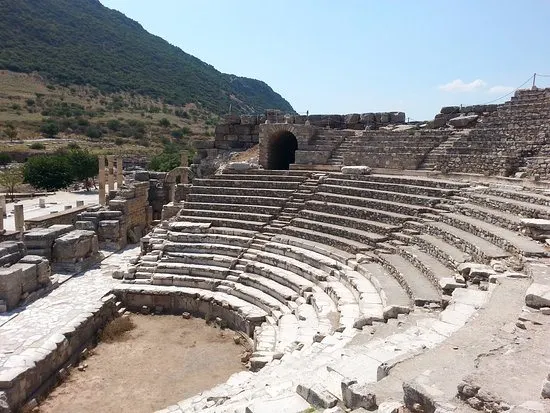
Built in the 2nd century AD, the Odeon of Ephesus seated about 1,400 people and hosted council meetings, concerts and small performances.
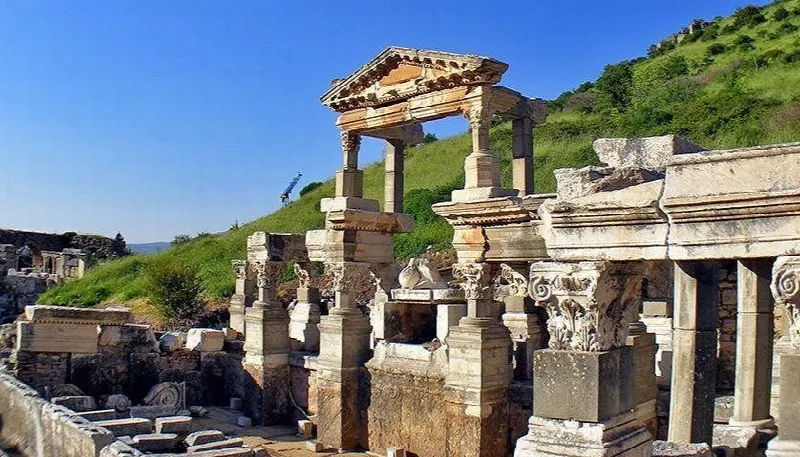
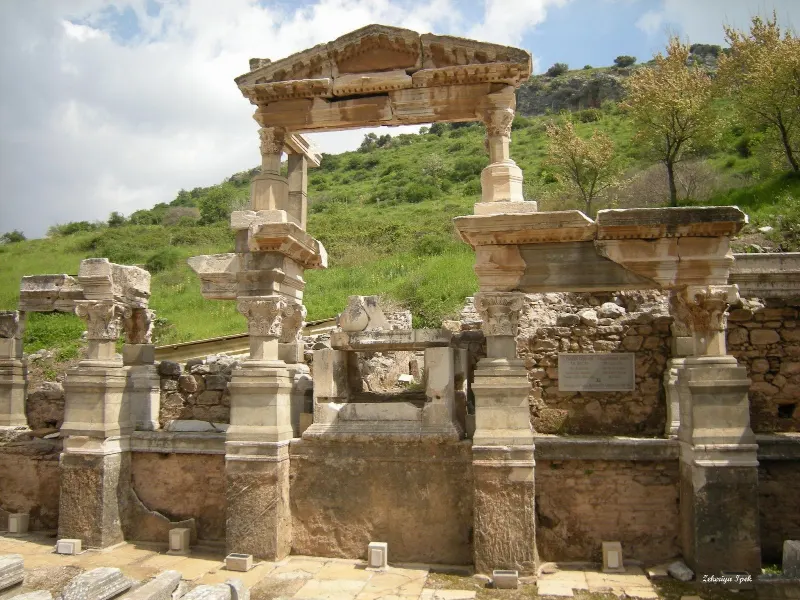
Trajan's Fountain (Nymphaeum of Trajan) in Ephesus dates from the early 2nd century AD and once held a statue of the emperor above a 20 × 10 m pool.
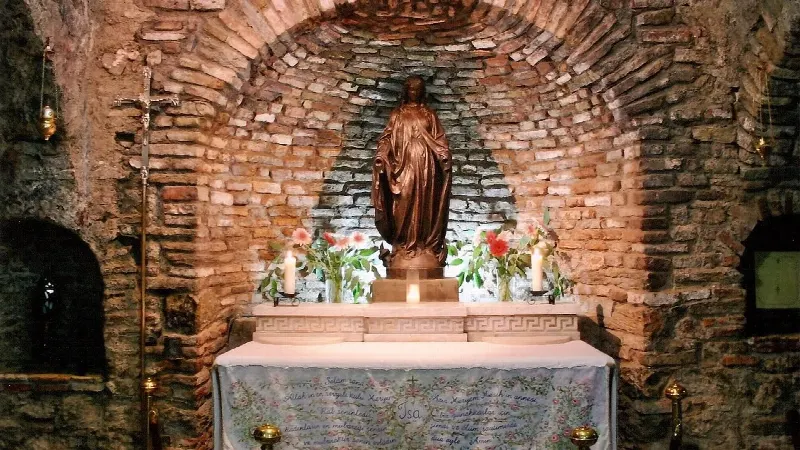
The 5th-century Church of Mary in Ephesus, the first church dedicated to the Virgin Mary, hosted the Third Ecumenical Council in 431.
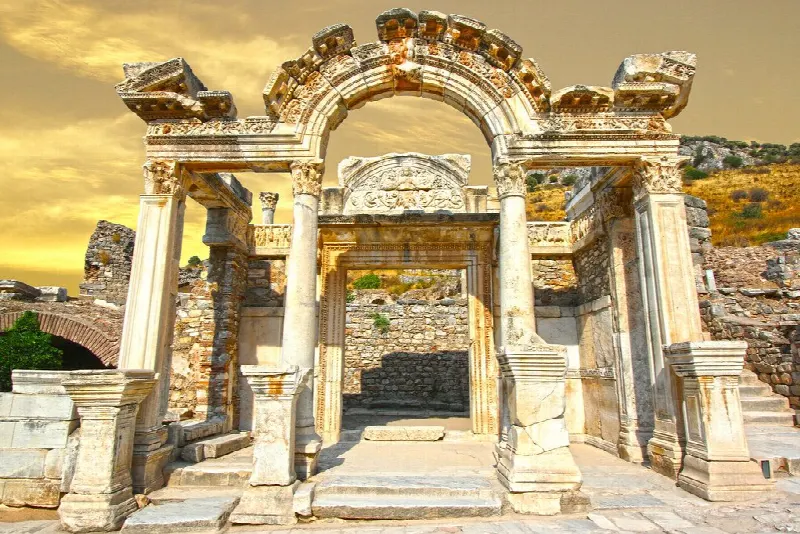
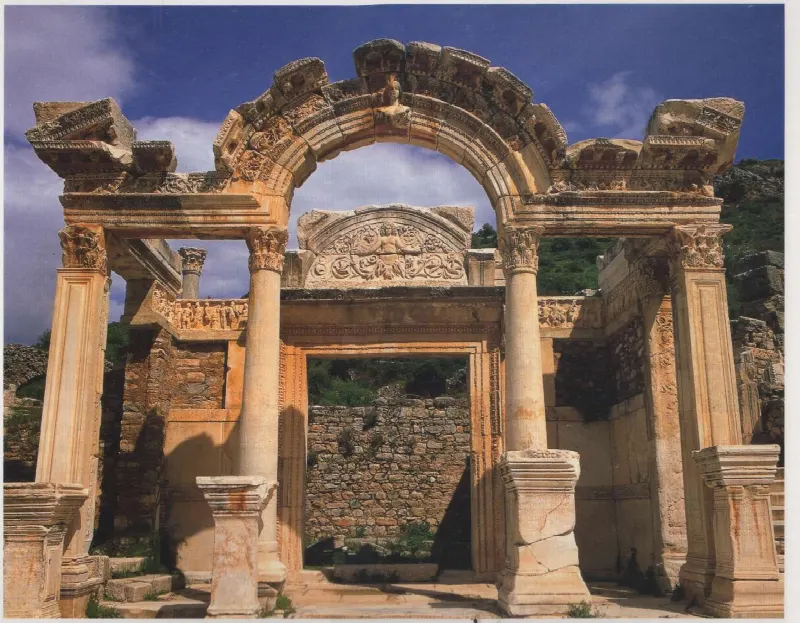
The Temple of Hadrian on Curetes Street, Ephesus, dates from the early 2nd century AD and is known for its ornate arch and friezes of the city's founding.
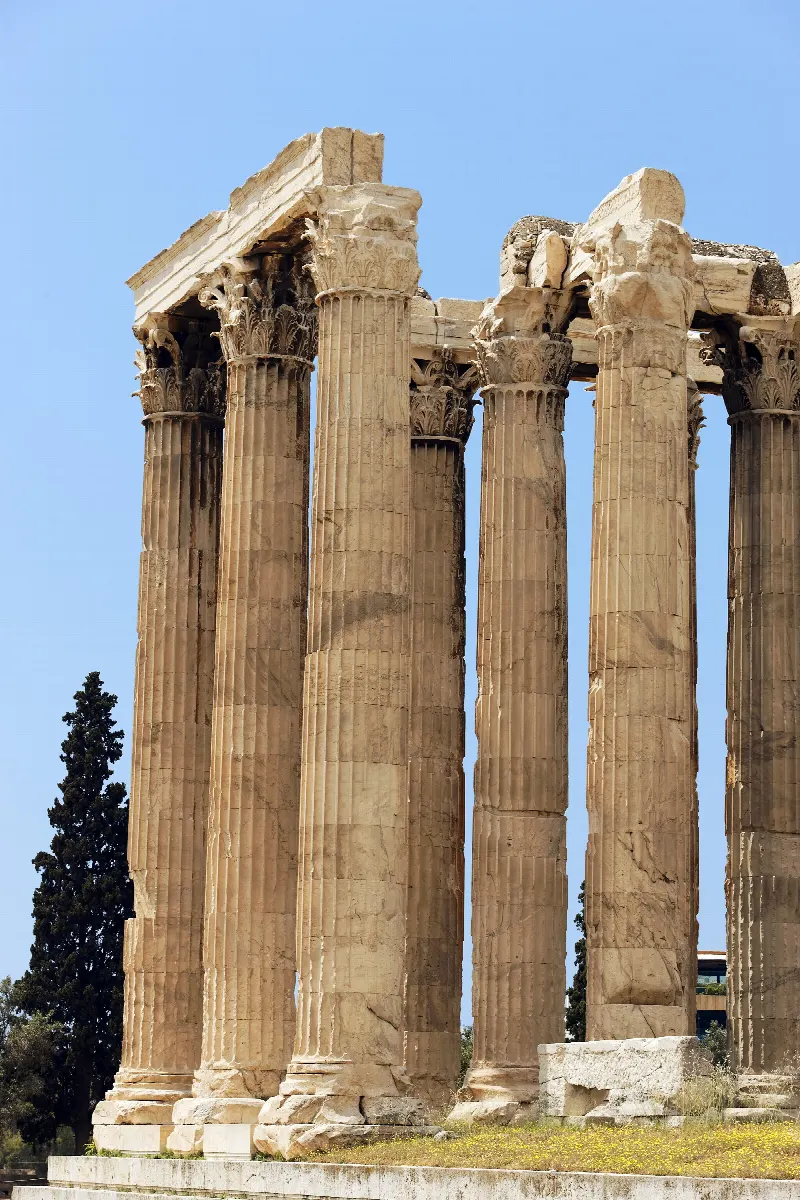
The Temple of Serapis in Ephesus is a 2nd-century AD Roman temple dedicated to the Egyptian god Serapis, reflecting the city's ties with Egypt.
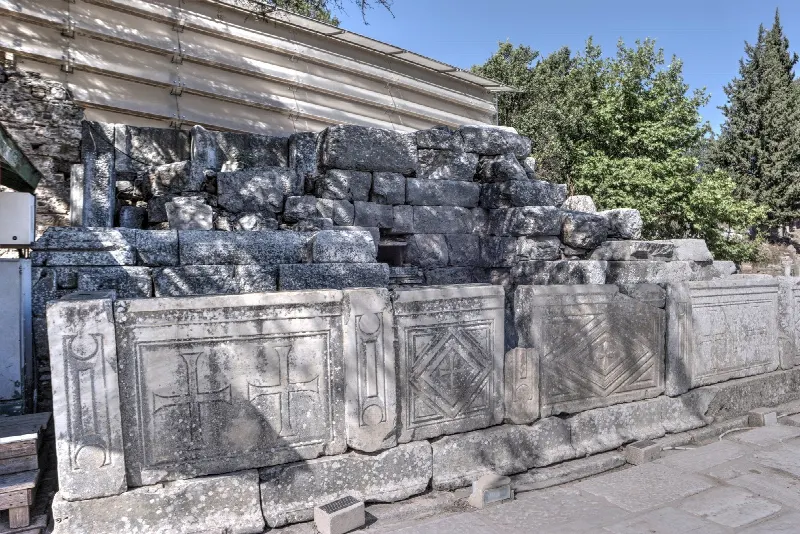
Believed to be dedicated to Androclus, the mythical founder of Ephesus, the Heroon is a U-shaped Ionic monument and fountain of the 2nd century BC.
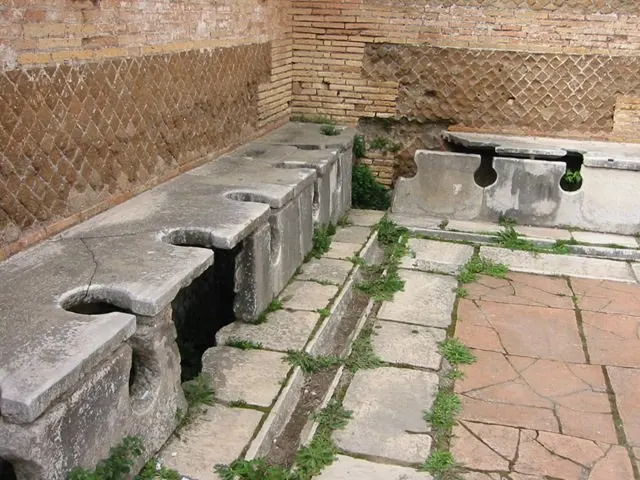
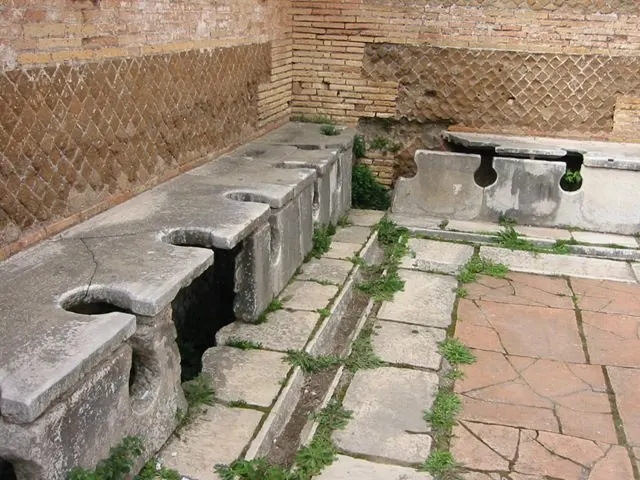
The 1st-century AD public latrines of Ephesus, with rows of marble seats over a deep sewer, show how Romans turned a daily need into a social occasion.

The Great Theatre of Ephesus seated 25,000 spectators. Begun in the 3rd century BC and completed under Trajan, it is famed for its remarkable acoustics.
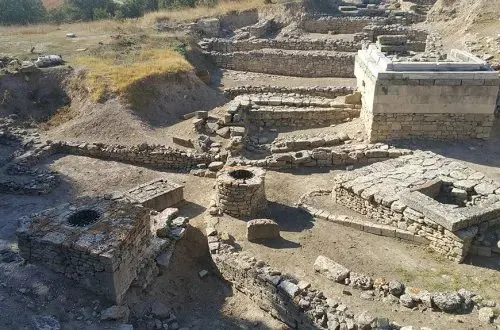
North of Arcadian Street, the Harbour Baths of Ephesus formed a vast complex of baths, gymnasium and the colonnaded sports ground of Verulanus.

The triple-arched Gate of Mazeus and Mithridates beside the Library of Celsus was built by two freed slaves as a tribute to Emperor Augustus.
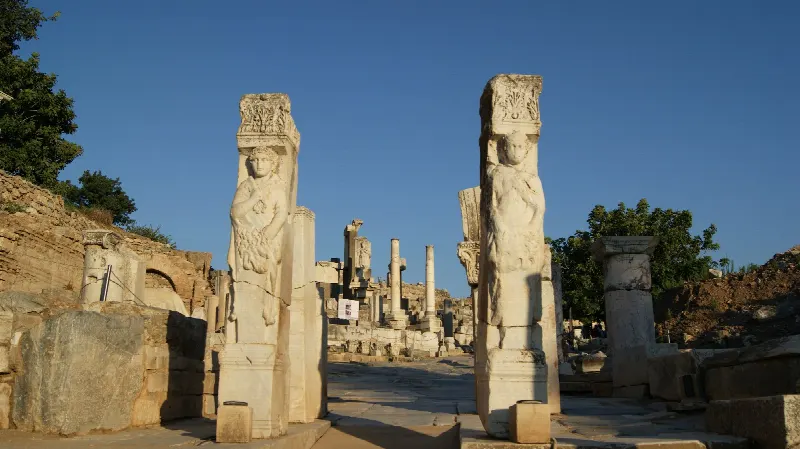
The 4th-century Gate of Hercules in Ephesus is named after the reliefs of Hercules in his lion skin carved on its two pillars.

Domitian Square in Ephesus takes its name from the Temple of Domitian and is home to the Pollio Fountain and the Memmius Monument.
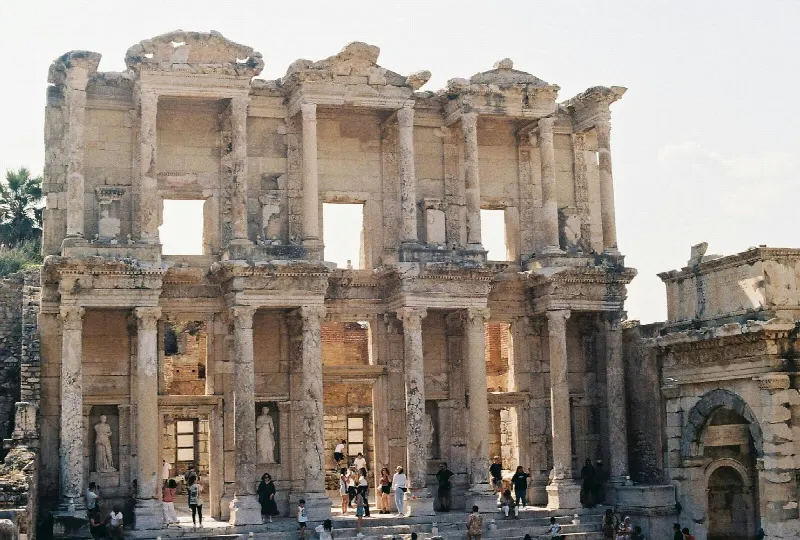
Built in AD 114–117 in memory of Senator Tiberius Julius Celsus Polemaeanus, the Library of Celsus is the most iconic Roman monument in Ephesus.
The State Agora of Ephesus was the setting for public life and official assemblies, rebuilt several times from the Roman period to Emperor Theodosius.
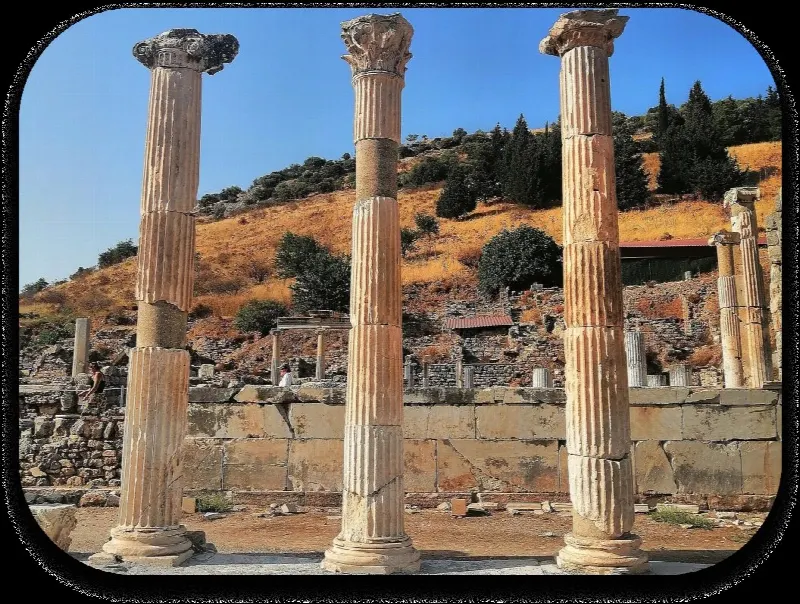
The 160-metre Stoa Basilica beside the State Agora of Ephesus was a centre of trade and justice, with Ionic columns decorated with bull heads.
The triple-arched Magnesian Gate, built around 300 BC and later remodelled under Vespasian, marked the road from Ephesus to the ancient city of Magnesia.
A temple to the Egyptian goddess Isis once stood at the centre of the Upper Agora in Ephesus, home to a large Egyptian community throughout its history.
Marble Street links the Great Theatre and the Library of Celsus in Ephesus and formed part of the sacred way to the Temple of Artemis.
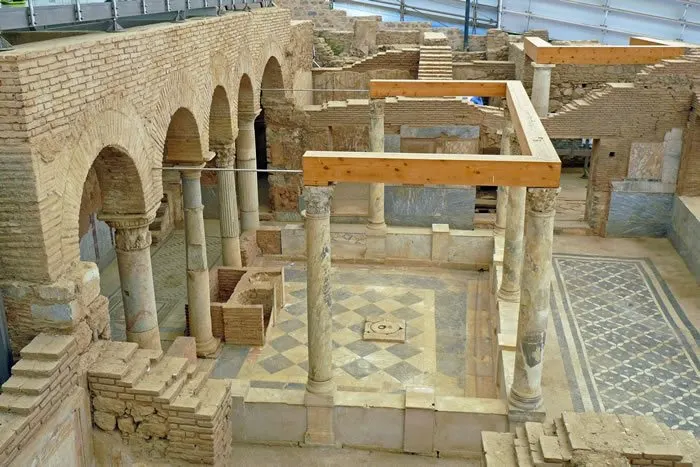
The Terrace Houses of Ephesus are a group of seven Roman-era homes of wealthy citizens, with frescoes, mosaics, heating systems and fountains.
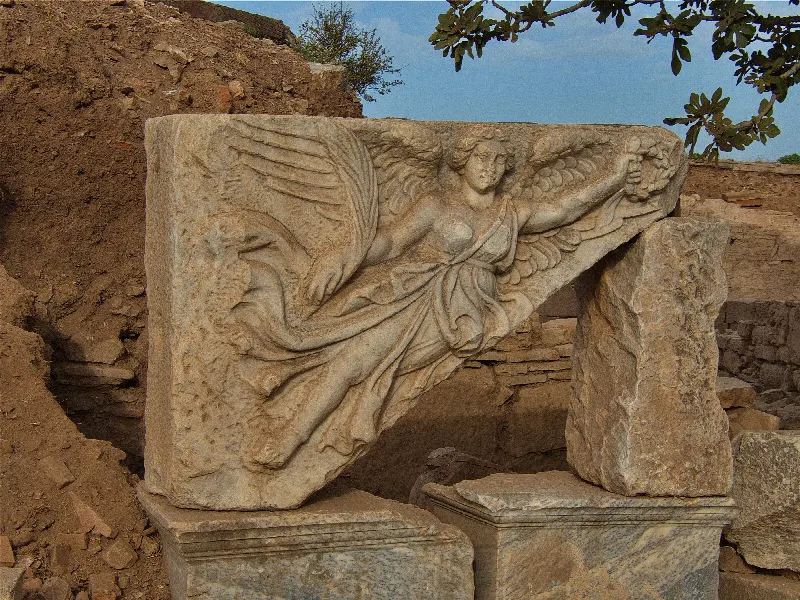
The 1st-century AD relief of Nike, winged goddess of victory, on Domitian Square is one of the best-known works of art in Ephesus.

The 2nd-century AD Vedius Gymnasium in Ephesus was a vast complex for athletic and cultural education, close to the Stadium built under Nero.
Built in the 1st century AD and restored in the 4th century by the wealthy Ephesian Scholastica, these Roman baths bear her name to this day.
With your consent, we use Google Analytics cookies to understand how the site is used. Cookie Policy