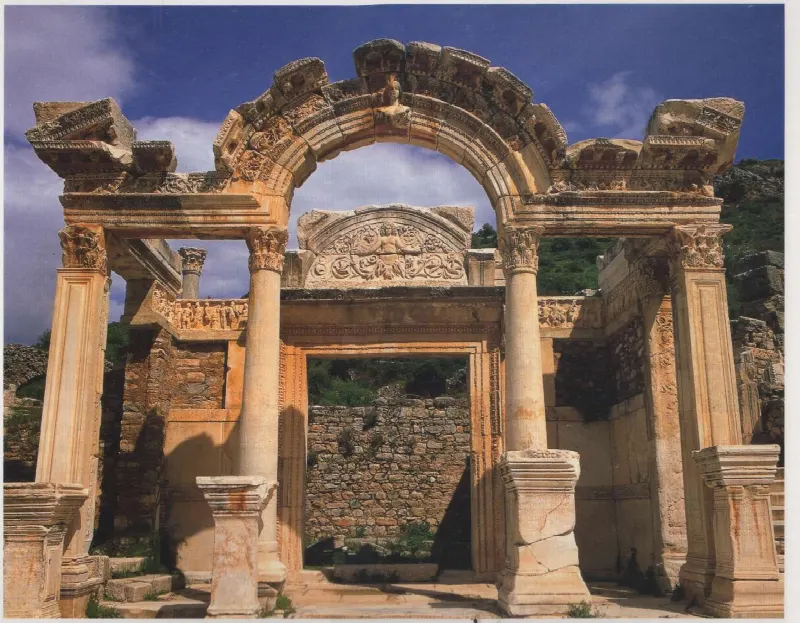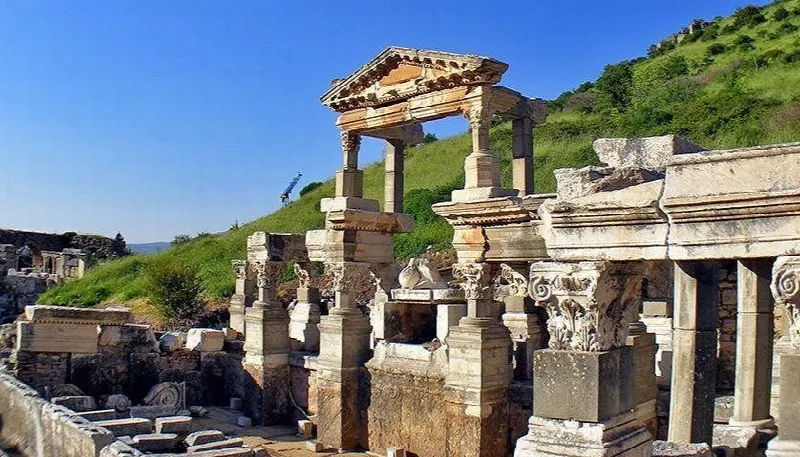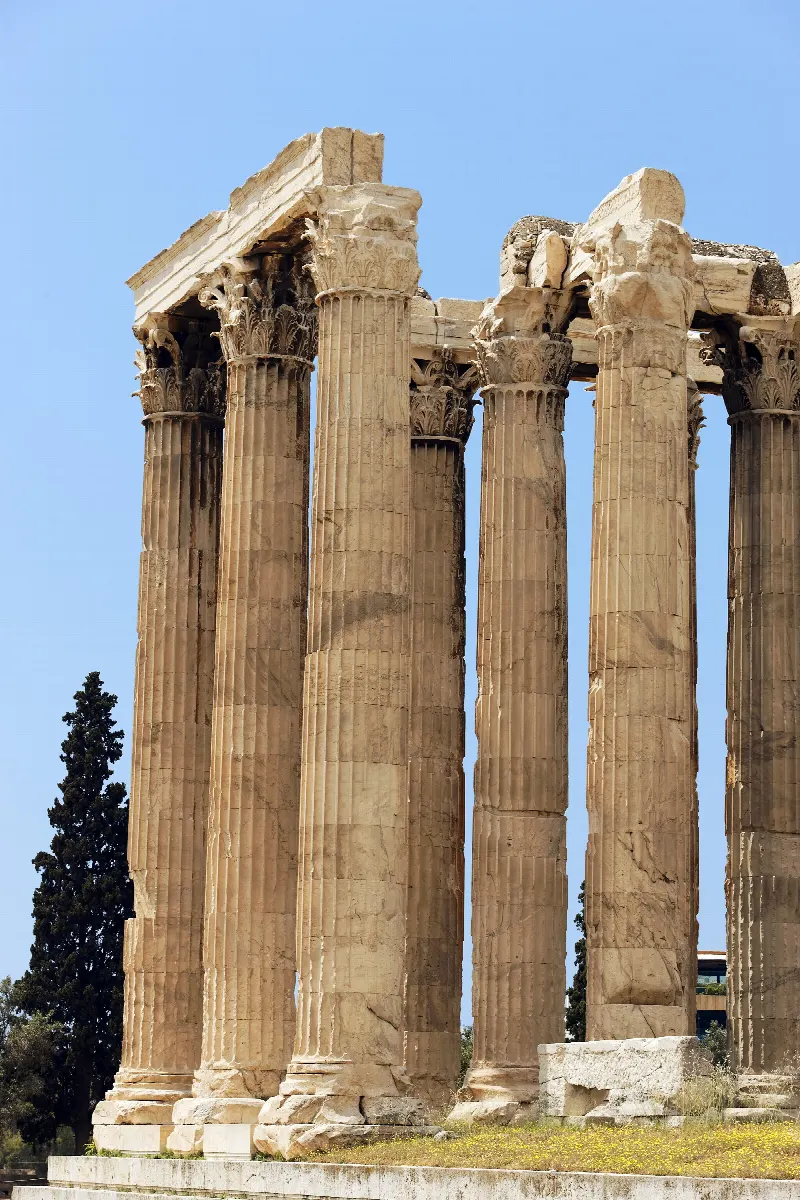
Ancient City of Ephesus
Baths of Scholastica
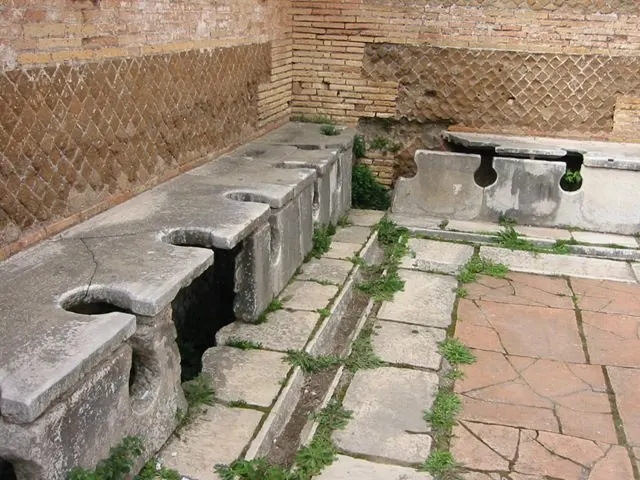
Built in the 1st century AD, this bath complex was restored in the 4th century by Scholastica, a wealthy Ephesian woman. The baths that bear her name played an important role in the social and cultural life of Ephesus.
Following the classic layout of Roman baths, the complex consists of four sections. First comes the changing room, known as the apodyterium; this large room has ten cubicle-like niches in its walls. The second section, with a cold-water pool, is the frigidarium. Next is the tepidarium, where bathers relaxed in warm water. The hottest section, the caldarium, was heated from below and made bathers sweat.
In antiquity, baths were used not only for washing but also for socialising and exchanging ideas. The Baths of Scholastica continued this tradition, giving visitors the opportunity to converse about Roman philosophy and daily life.
Having survived to the present day as part of the historical and cultural heritage of Ephesus, the Baths of Scholastica offer visitors a chance to understand the way of life in antiquity.