Ephesus Museum, Selçuk
The Ephesus Museum takes you on a journey into the fascinating world of ancient Ephesus. Here you can get to know the history and cultural heritage of Ephesus more closely. The museum is full of important artefacts recovered from excavations in the ancient city, offering a deep understanding of the history of Ephesus.
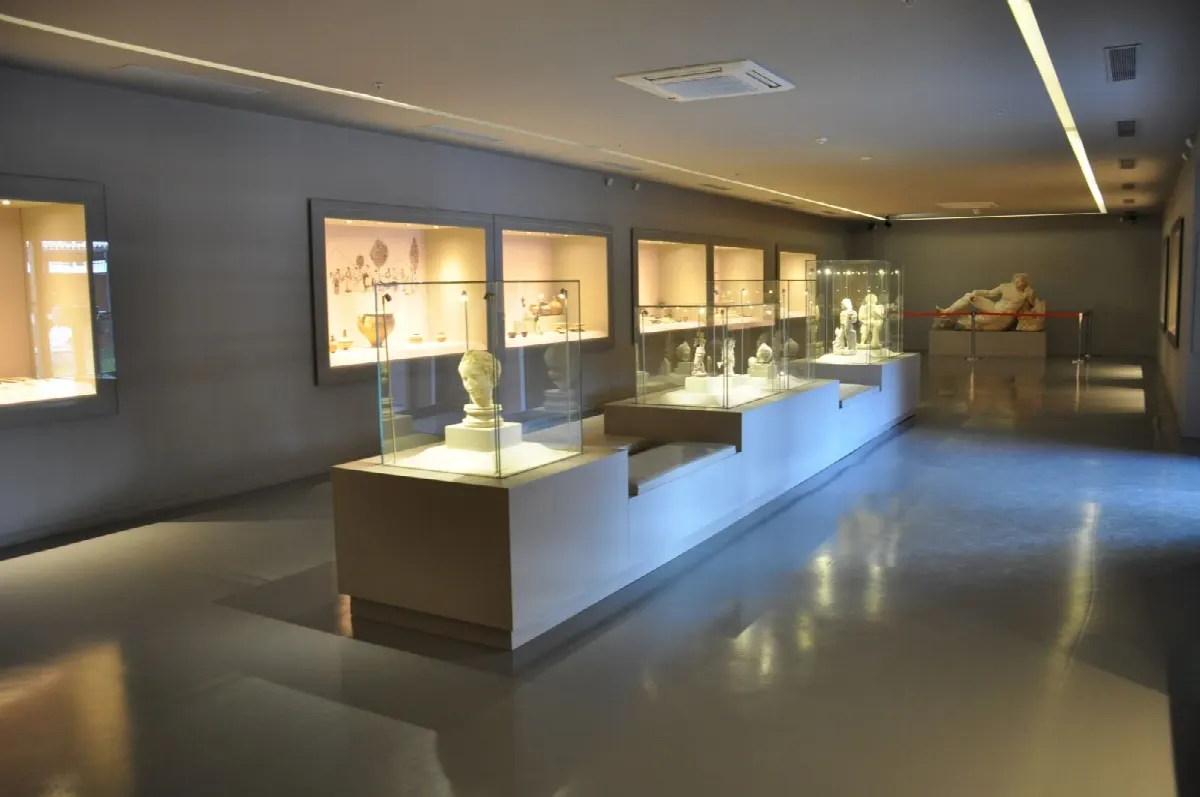
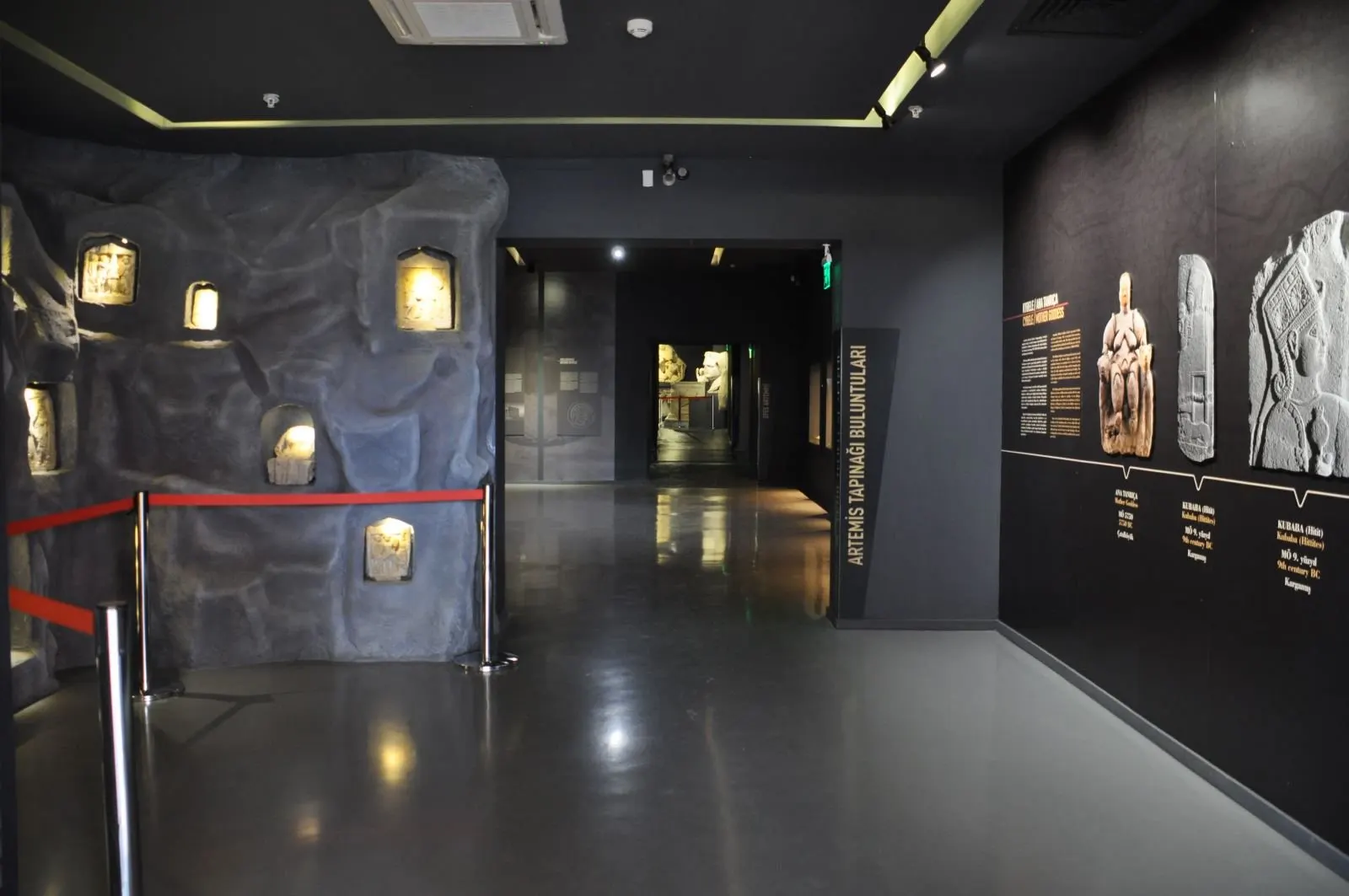
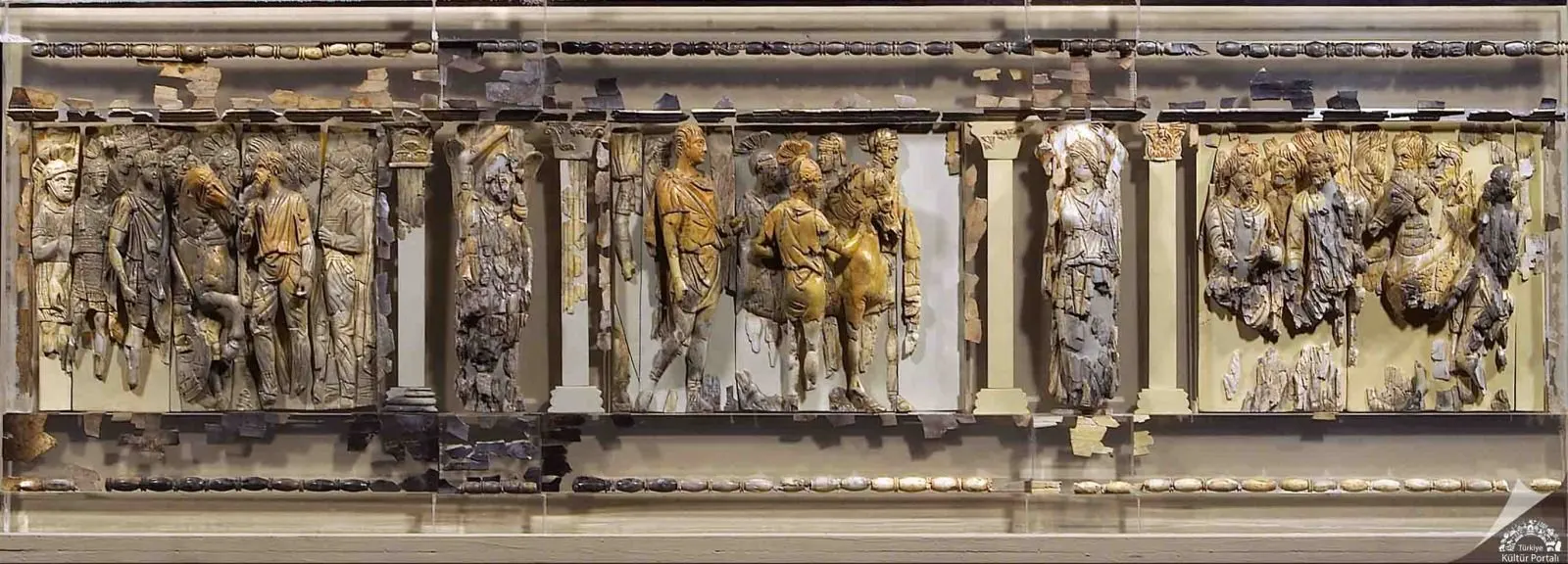
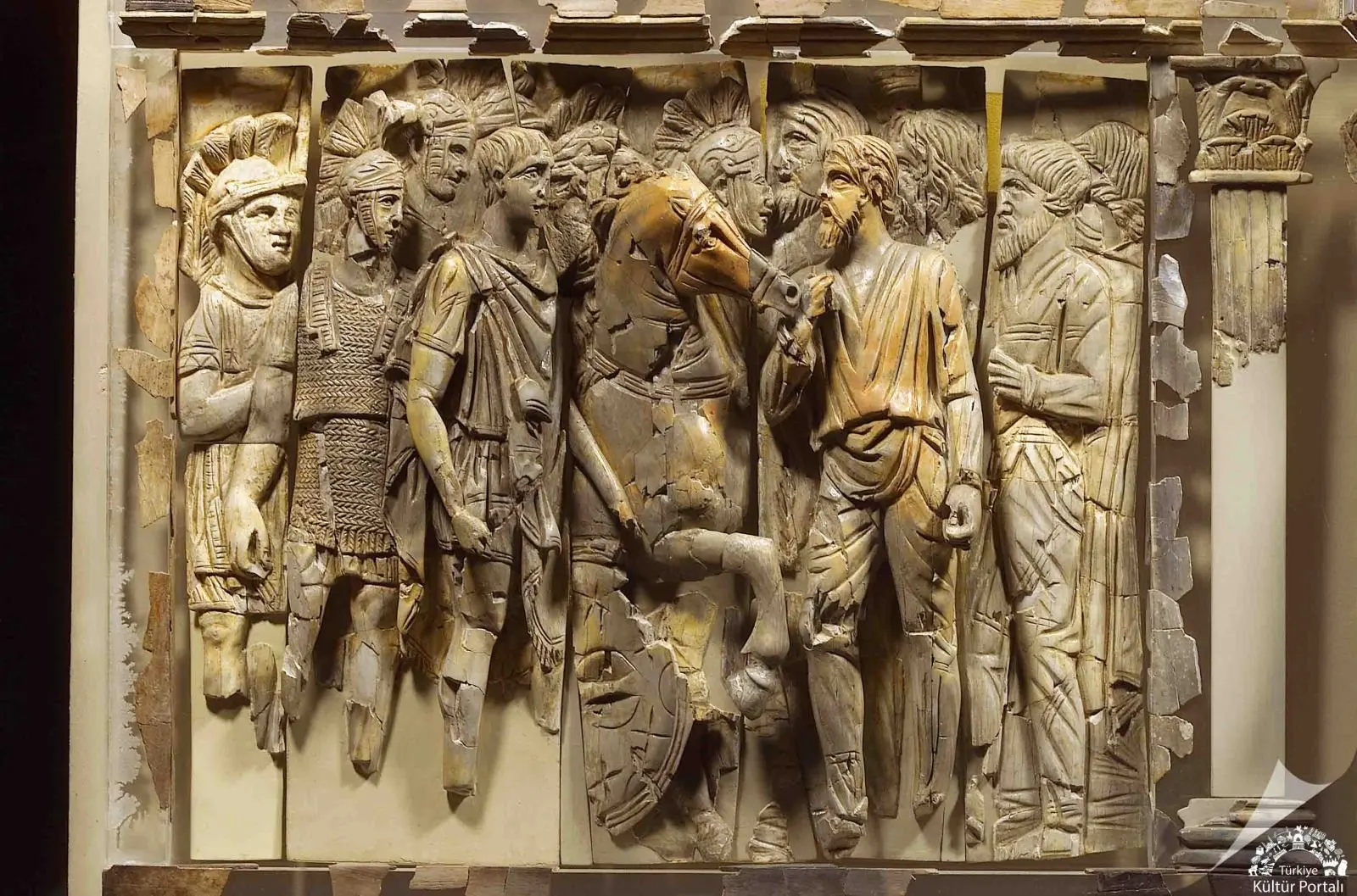
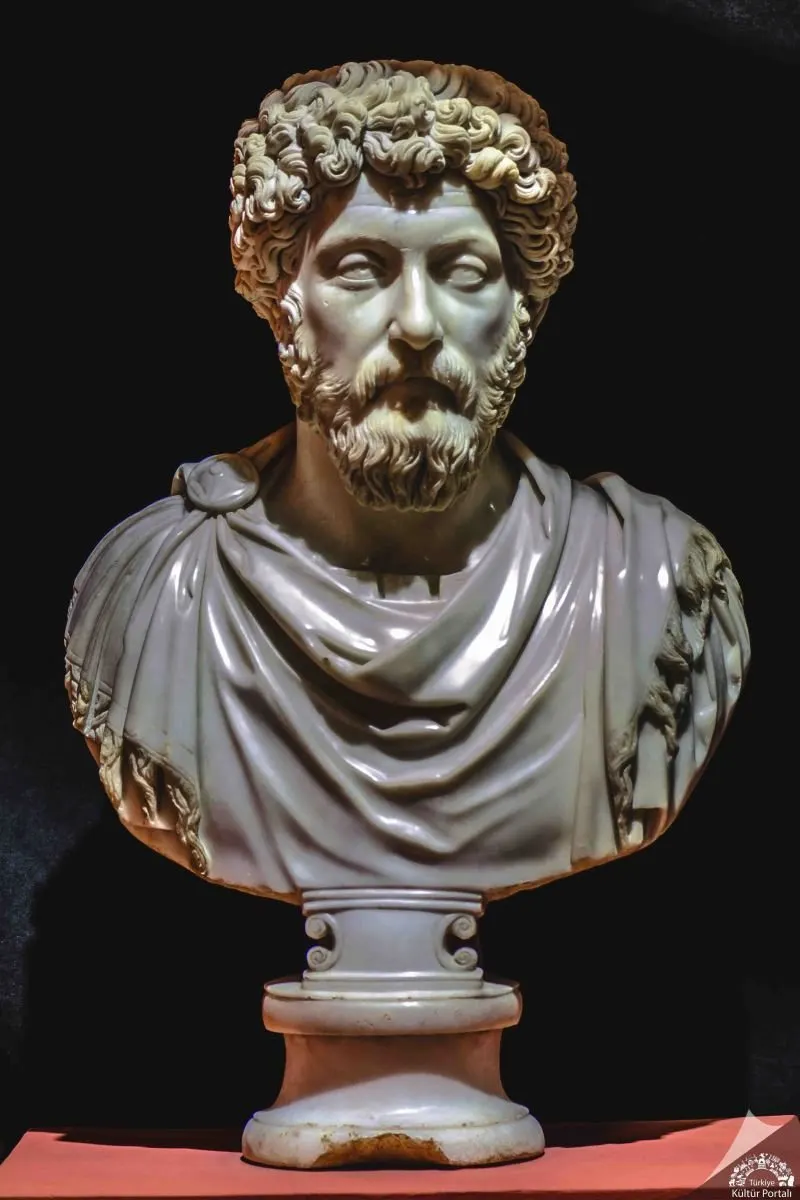
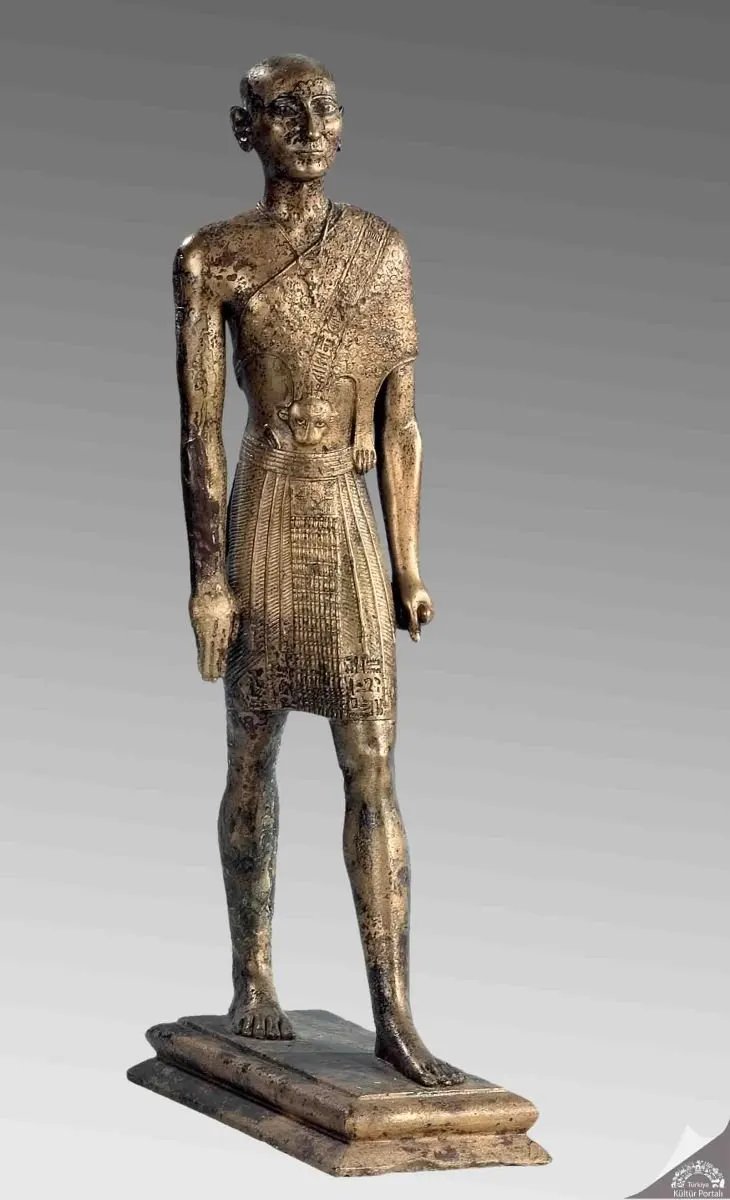
With important artefacts from the Mycenaean, Archaic, Classical, Hellenistic, Roman, Byzantine, Seljuk and Ottoman periods found in and around Ephesus, as well as its cultural activities and visitor numbers, the Ephesus Museum is one of the most important museums in Türkiye. Because the museum mainly displays finds from a single ancient city, the artefacts are arranged by the places where they were found rather than chronologically or by type. Accordingly, the galleries are organised as the "Terrace Houses and Household Finds Hall", the "Coins and Treasures Section", the "Grave Finds Hall", the "Hall of Artemis of Ephesus" and the "Hall of Imperial Cults". In addition to these halls, various architectural pieces and sculptures are displayed in the museum's inner and central gardens, harmoniously integrated into the garden setting.
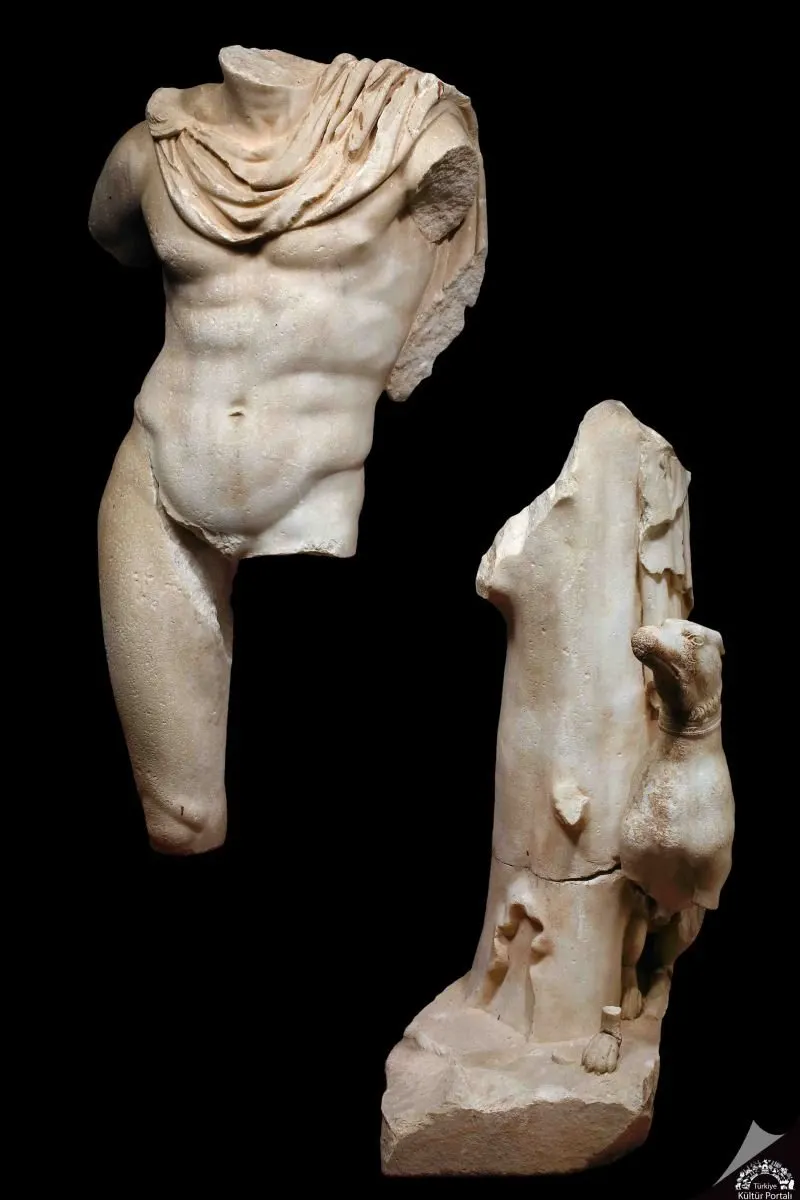
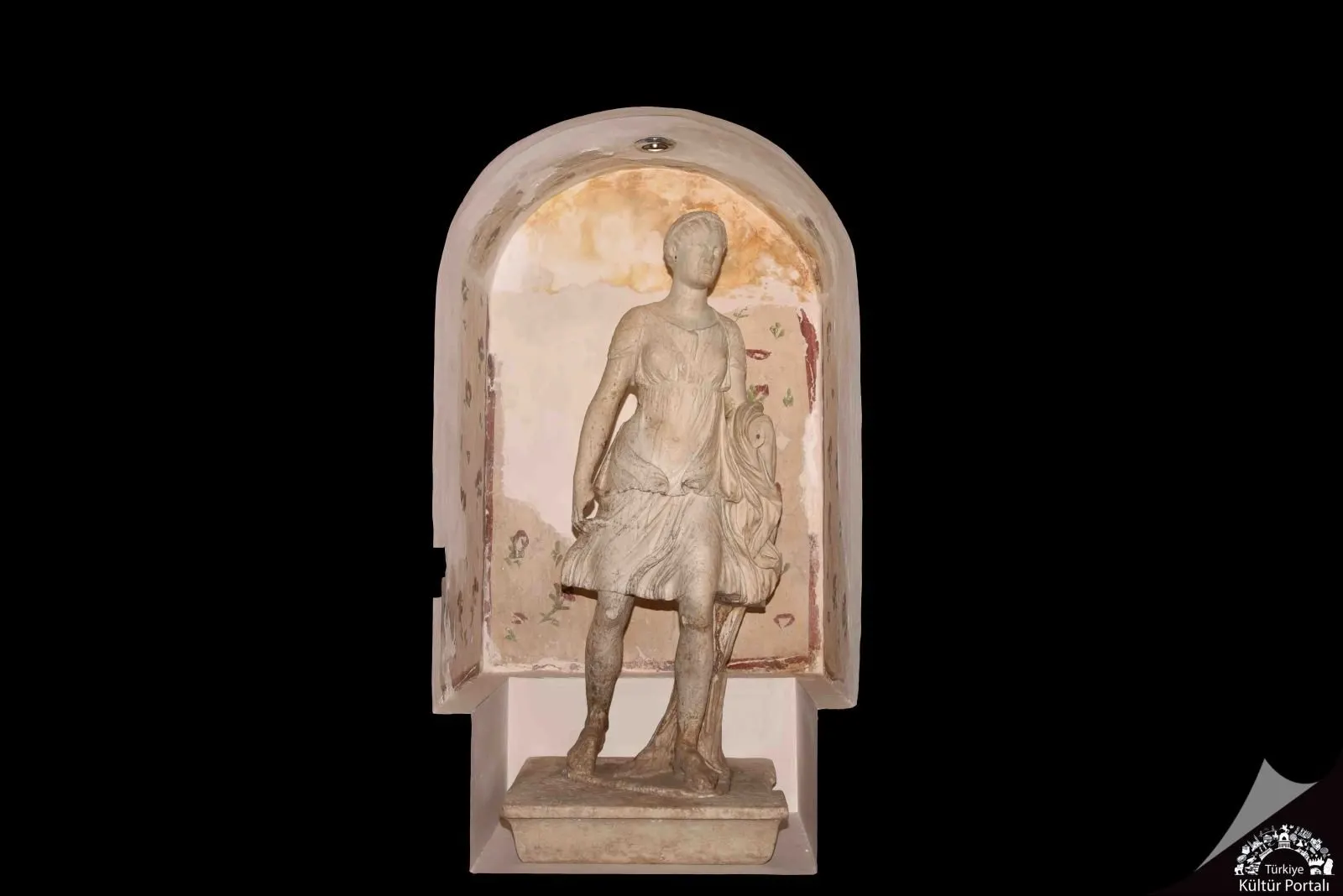
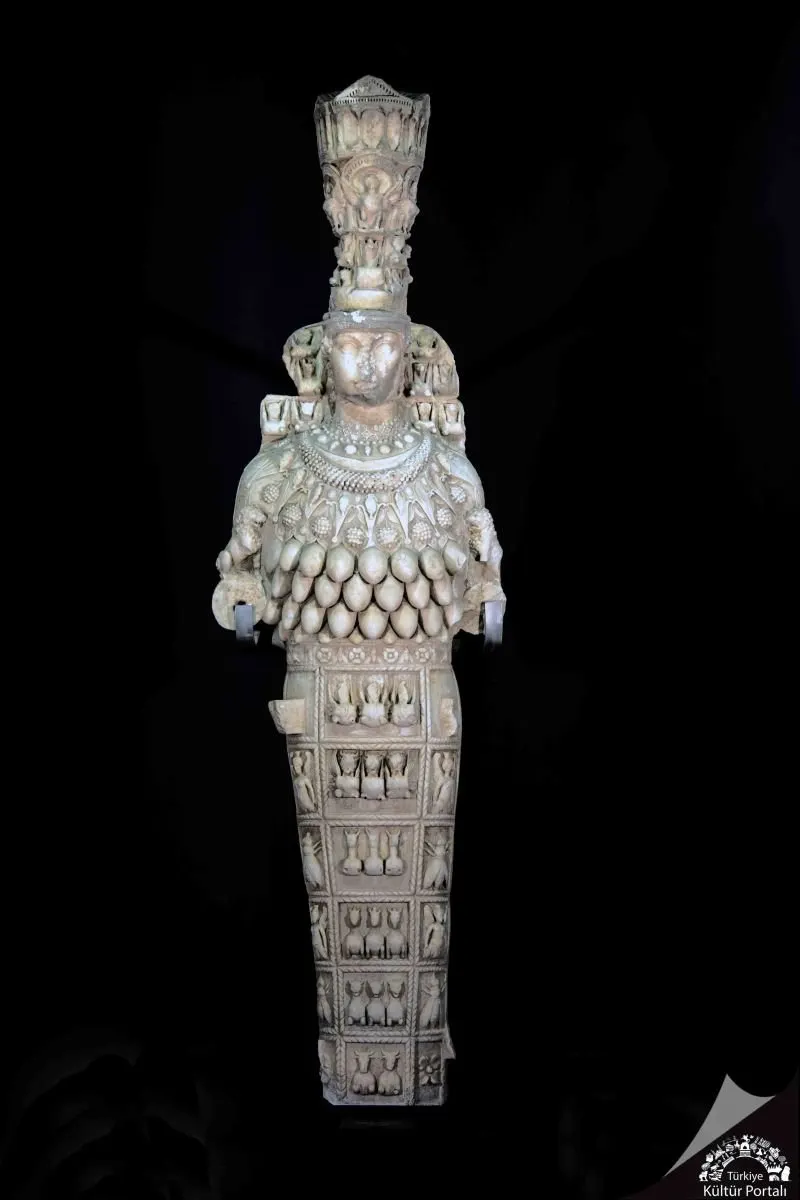
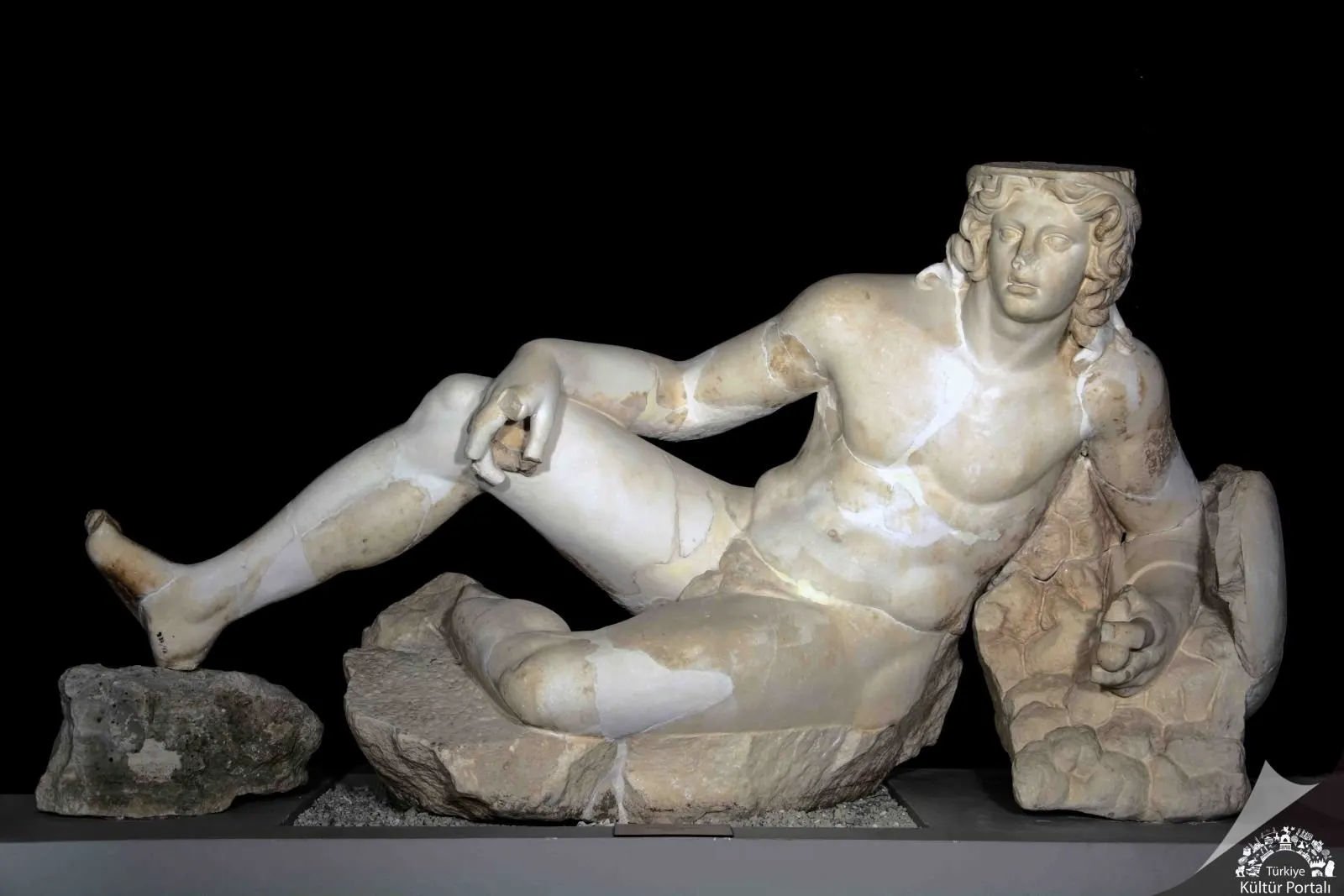
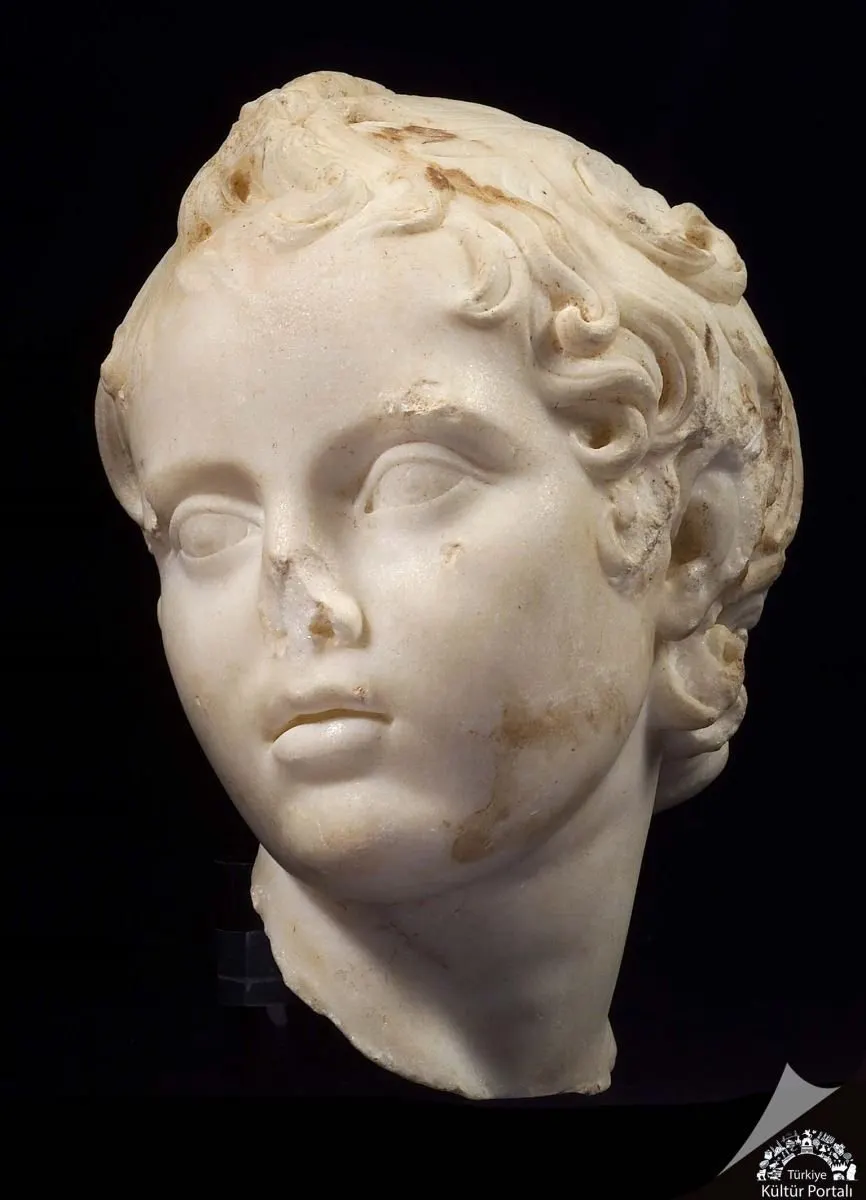
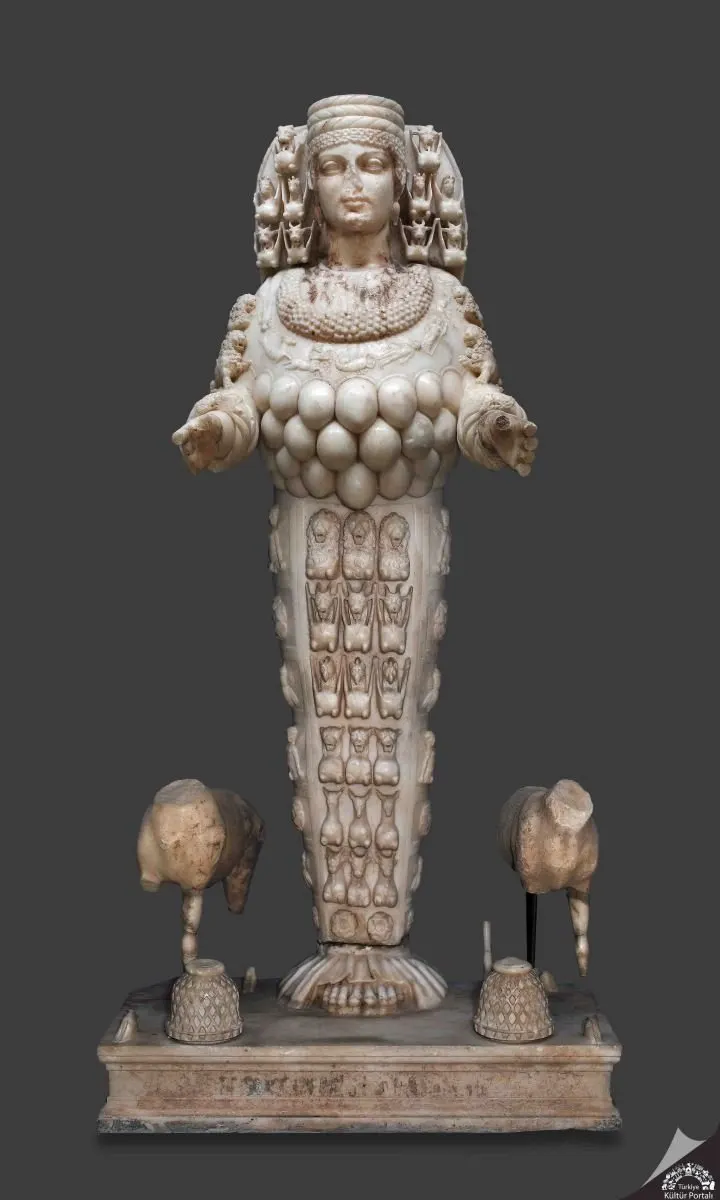
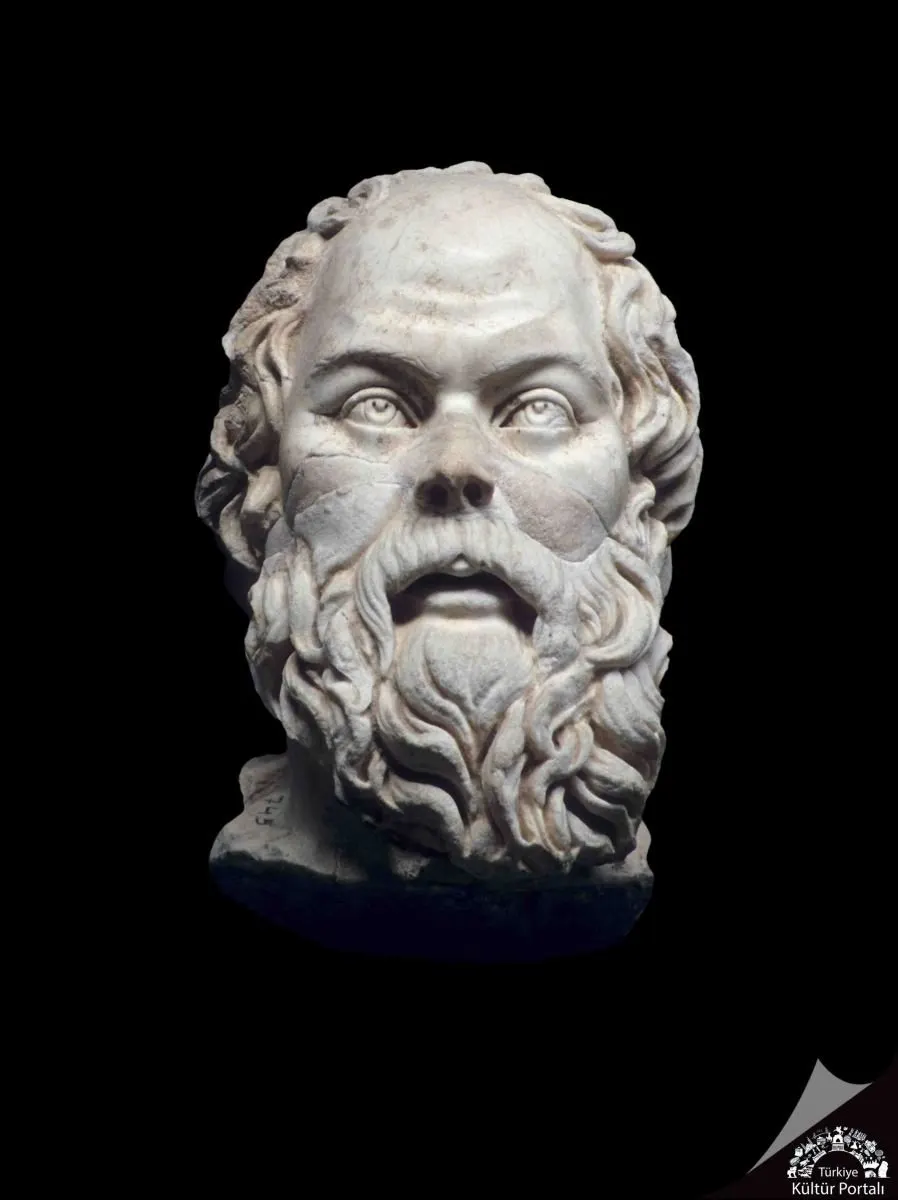
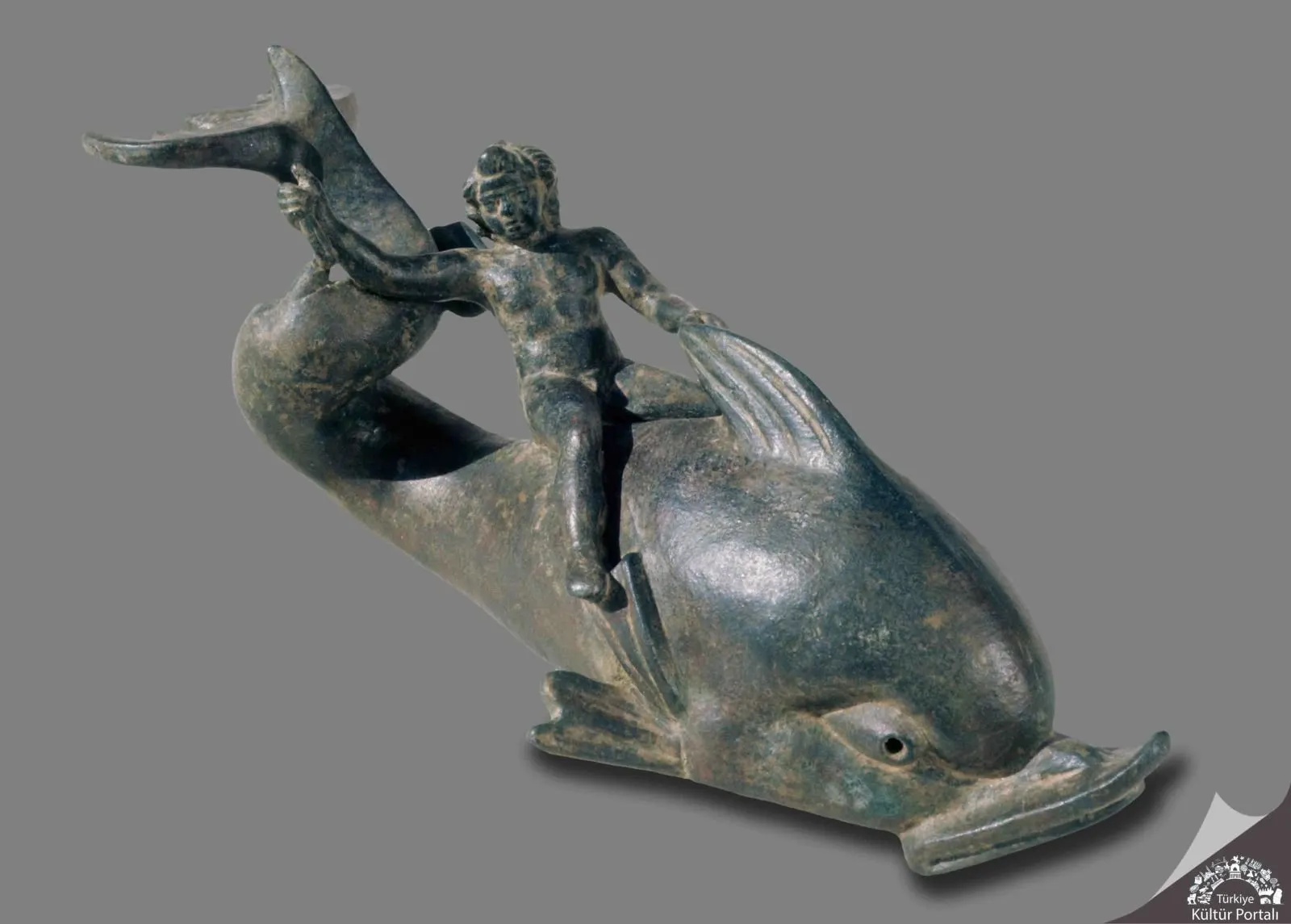
The two large statues of Artemis, the head of Eros, the statuette of Eros with a Dolphin and the head of Socrates are among the Ephesus Museum's world-famous pieces. The Ephesus Museum's collections currently hold some 64,000 artefacts. This number grows every year with finds from ongoing archaeological excavations and donations from local people, continually enriching the collections. A "New Finds Hall" was created at the Ephesus Museum so that these artefacts could be made available to the scholarly world and the public as quickly as possible. However, this hall is not always enough, and the displays in the other halls also need to be renewed in light of new finds and in line with contemporary museum practice. With this in mind, the new arrangement of the Terrace Houses and Household Finds Hall aims to create thematic unity by displaying groups of finds together. Under the theme of daily life, the hall displays examples of items that people of every age have needed: medical and cosmetic instruments, jewellery, weights, lighting equipment, finds related to music and entertainment, and weaving tools, as well as statuettes used in household cults and decoration, statues of emperors and gods, busts and furniture. In one section of the hall, a room from the Terrace Houses of Ephesus known as the "Socrates Room" has been recreated with mannequins, complete with its frescoes, mosaics and various pieces of furniture.
Highlights:
- Statues from the Temple of Artemis: Here you can see statues belonging to the Temple of Artemis, one of the most important religious buildings of Ephesus. The statue of Artemis in particular reflects the importance of the temple and the artistic sensibility of the period.
- Remains from the Library of Celsus: Column capitals and stonework from the famous Library of Celsus reflect the splendour of this magnificent building.
- Dolphin Mosaics: Showing details of daily life in Ephesus, these beautiful mosaics reveal the wealth and artistic sensibility of antiquity.
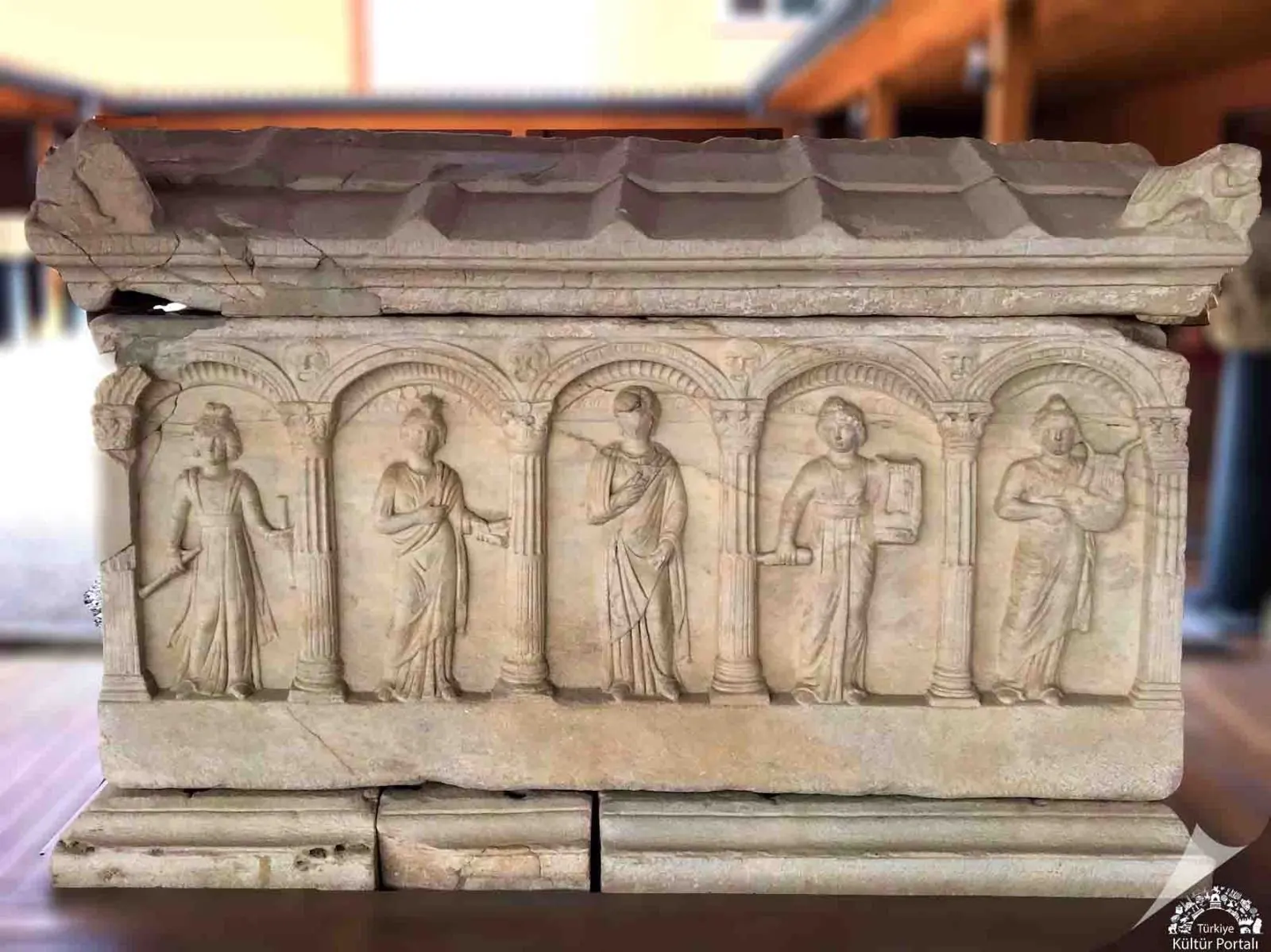
- Sarcophagi and Grave Goods: Telling the story of death rituals and burial culture in ancient Ephesus, these artefacts help you understand the social structure of the period.
Touring the Museum:
The layout of the museum is designed to make it easy to understand the historical context of the artefacts on display. Informative panels and guides explain the history and significance of the exhibits in detail.
After Your Visit:
At the museum exit you will find a variety of souvenirs and books for learning more about ancient Ephesus. You can also take a short break at the museum café and rest areas and enjoy some time in the unique atmosphere of Ephesus.