Selçuk
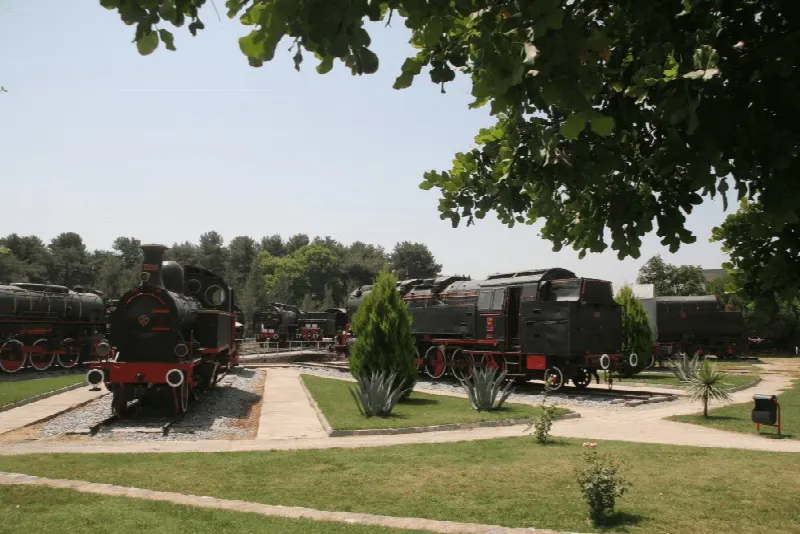
Historic Train Station

Turkish railway history dates back to the mid-19th century, specifically to 1856. In that period, the first major project to bring railways to Türkiye was the İzmir–Aydın line. It was built under a concession granted to a British company, and ground was broken that same year. A number of strategic and economic reasons lay behind the choice of the İzmir–Aydın route.
The İzmir–Aydın region had a larger population than other regions of the time, which gave it high commercial potential. The region was also home to ethnic communities well disposed toward the British market and offered easy access to the raw materials British industry needed. These factors made building a railway here economically advantageous.
Yet the line mattered not only for economic reasons but also for strategic ones. With the Middle East brought under control, the region would play a major role in overseeing the routes to India. This strategic position meant the railway was important not only for trade but also for regional security and control.
Opened in 1867, the İzmir–Aydın line marked the first major step in Turkish railway history. It played a critical role in both regional trade and strategic goals, and laid the cornerstones of Türkiye's railway network. Today, the success of this first line is seen as having laid the foundation for the country's expanding railway network and as an important turning point in its economic and strategic development.